Ruby Labs
Performance marketing across Meta, TikTok, and Google. Static and motion creative produced at testing volume, in direct collaboration with UA — where every design decision is answered by CTR, CPA, and conversion, not by opinion.
Creative is the biggest lever in paid social — and the fastest to burn out
In performance marketing, targeting is increasingly automated; creative is where campaigns are won. But creative fatigues fast. The business problem is industrial: produce enough distinct, on-strategy concepts to keep testing pipelines full, learn from every result, and do it at a cost and speed that makes the economics work.
Seven verticals, one production discipline
Work spanned fiction, relationships, casino, puzzle, career, AI education, and privacy products — each with its own audience psychology and platform behavior. Goals were constant across all of them:
- Volume with intent — every creative is a hypothesis about a hook, not a decoration.
- Speed — typical concept-to-delivery in 48 hours, so UA never waits on design.
- Format discipline — every ad delivered in 9:16, 4:5, 1:1, 16:9 with placement-specific safe zones, so captions and CTAs never get clipped.
A system produces range, not one lucky ad




Shipped verticals — exactly as the feed sees them
Live campaign assets for Sagabox (fiction) and JobAssist (career), Meta/FB verticals — AI-generated, hand-finished, sound-off first:
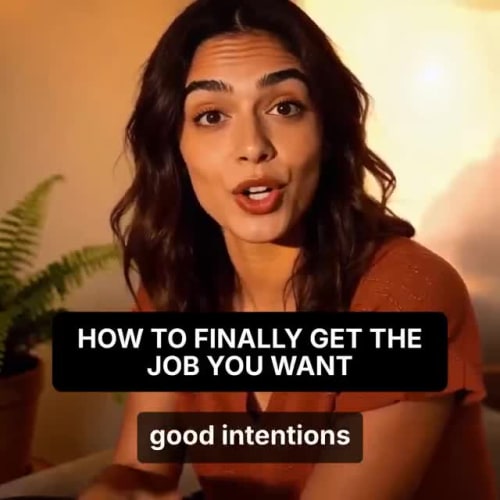
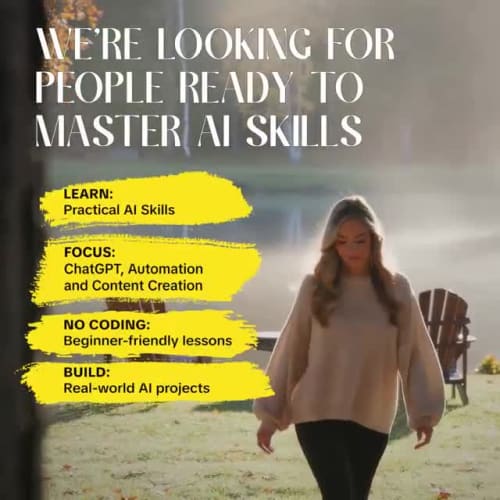
JobAssist · v640Career vertical · UGC hook
JobAssist · v329Career vertical · AI avatar
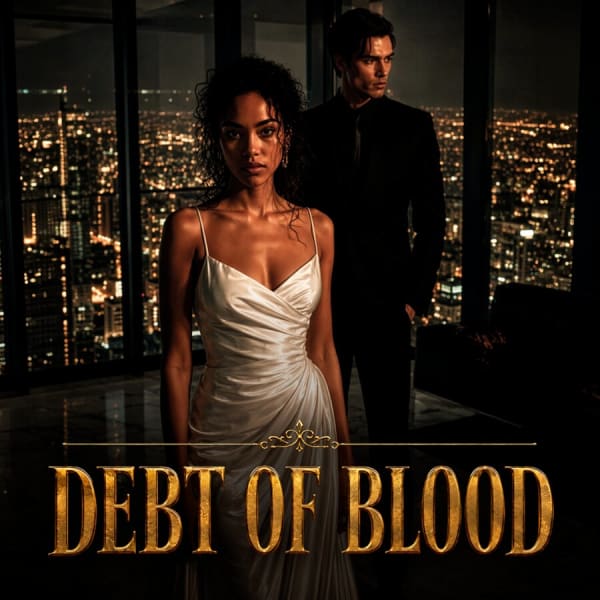
Debt of Blood · v1470Fiction · cinematic teaser
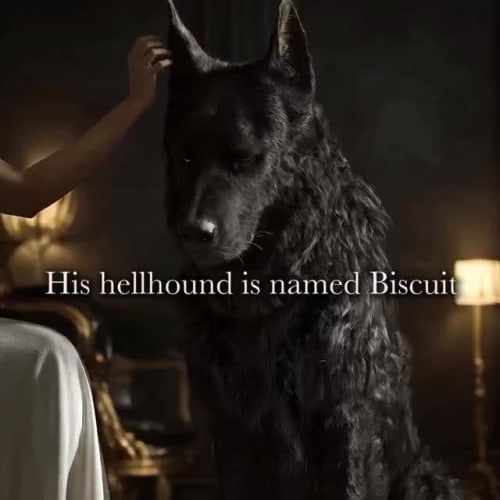
Sagabox · v894Fiction · moody scene hook
JobAssist · UGCAI actor testimonial
Photoreal & cinematic range
The same pipeline, stretched across registers — documentary-real UGC scenes to gothic cinema, all generated:
Photoreal scene"The Wife He Replaced" — book hook, shot-in-a-car realism
Photoreal UGCLiving-room energy, phone-camera framing
UGC · AI ActorNative-feeling testimonial for fiction
Cinematic · fictionRing on the altar — gothic wedding scene
Cinematic · fictionThe vow — candlelit ceremony close-up
Dark fantasy registerParanormal presence — horror-vertical style
Stills prove taste; motion proves the system — pacing, captions, believability, and format discipline are only visible at 30 frames a second.
Hook first, asset second, numbers last — then repeat
- Concept & hook writing — what stops the scroll and for whom, defined before any asset exists.
- AI-assisted generation — characters, scenes, and key art produced with AI image/video tooling; UGC-style testimonial ads with AI actors directed to feel native to the feed.
- Finishing — cut, paced, and polished in After Effects and Premiere: captions timed for sound-off viewing, sound design, CTA matched to the funnel.
- Testing with UA — variation sets (hooks, first frames, formats) built deliberately for structured tests, not produced at random.
- Iteration on data — winners get variation families; losers get autopsies. CTR tells us about the hook, CPA and downstream conversion tell us about the promise.





- Generation is a starting point — composition and casting proven cheaply with AI
- Craft happens in the edit — color, pacing, captions, sound design are manual
- Judgment stays human — what ships is a creative decision, not a model output
V1 — Baseline
Hypothesis: a solvable-looking puzzle stops the scroll. Clean composition, single challenge.

V2 — Raised stakes
Same hook, new composition and difficulty cue — testing whether perceived challenge drives taps.

V3 — Recomposed
Winning elements kept, weak ones replaced — the variant family exists to learn, not to decorate.
Losers get autopsies, winners get variation families. The testing logic is the deliverable — individual ads are just its output.
Static
Key art generated and composited into ready-to-run templates. Cheapest to test — first into rotation, fastest read on the hook.
Motion

AI-generated video finished in After Effects: pacing, sound design, captions timed for sound-off. Deployed once a static proves the angle.
Brief
Product angle, audience hypothesis, KPI from UA
Concept
Hook, script, storyboard — the testable idea
Static
Cheapest test first — key art proves the angle
Motion
AI-generated video finished in AE: pacing, captions, sound
Testing
Structured variant sets across placements
Optimization
CTR reads the hook; CPA reads the promise
Winning Creative
Winners get variation families and scale
Decisions a media buyer would recognize
- Captions built for sound-off — most feed viewing is muted; the hook must land in text.
- Story teasers for fiction apps, talking avatars for product apps — curiosity converts stories; trust converts products. Format follows funnel.
- Reframed, never stretched — each aspect ratio is a recomposition, keeping the subject and CTA inside guaranteed-visible zones.
- AI where it compounds, humans where it counts — generation accelerates production; hooks, pacing, and judgment stay manual.
A creative pipeline UA can rely on
A production system, verified by the numbers on my CV: ≈6 finished creatives per day inside a team shipping 150–200+ ads per week for Sagabox across Meta, TikTok, Instagram/Reels and YouTube Shorts. Assets I built reached internal Winner Ad / Legacy Winner Ad status and scaled into five-figure ad spend while active; rated 115% on the designer productivity scorecard (May 2026).
"Directed like a producer, built like a media buyer thinks."
Specific CTR/CPA values are internal; the volume, Winner-status, and spend-scale figures above are from my verified CV.
Data is a brief, not a verdict
Performance numbers don't replace design judgment — they sharpen it. A failed variant is the cheapest research available; the discipline is reading why it failed and encoding that into the next concept. This loop is the most transferable skill I bring to any product team.
Related projects: Creative Direction (visual storytelling behind the ads), Marketing + Motion in the Design Archive.
Why it was built this way
Statics test before motion ships
ReasonA static proves the angle at a fraction of the cost. Motion budget goes only to hooks that already earned it.
Captions built for sound-off
ReasonMost feed viewing is muted. If the hook doesn't land in text, it doesn't land.
Every format recomposed, never stretched
ReasonEach placement has its own safe zones. A clipped CTA is a wasted impression at scale.
AI in production, humans in decisions
ReasonGeneration compresses cost-per-variant; hooks, pacing, and what ships remain creative judgments the numbers then verify.